
Inquire

Gennaro Piscopo Photography

Wedding Album Versus Photo Book Explained

Wedding Album Versus Photo Book Explained

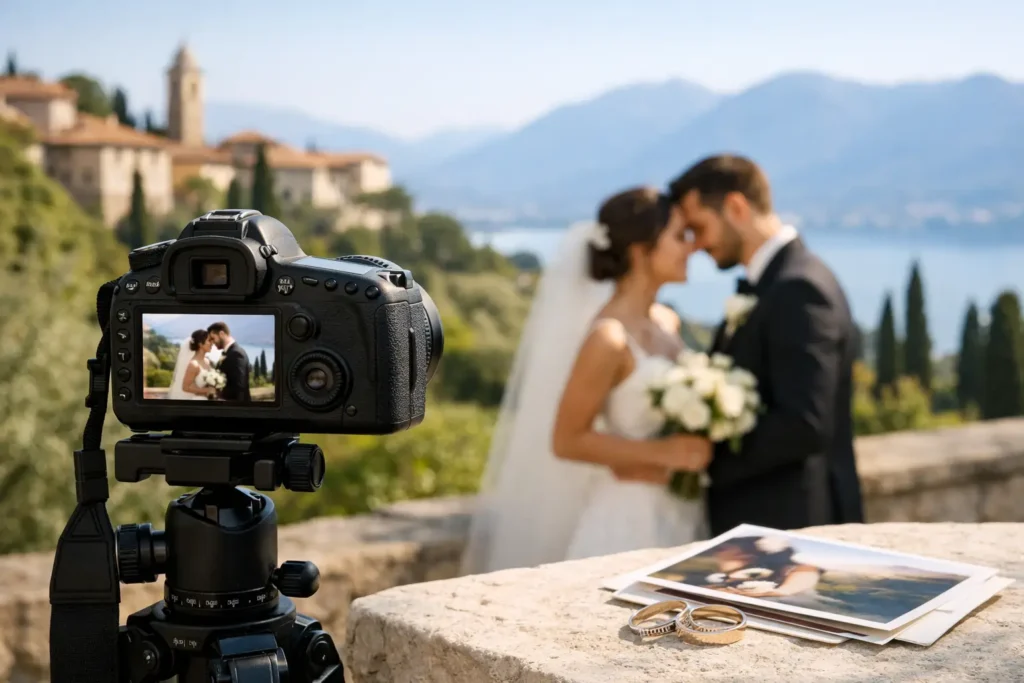
The wedding album versus photo book decision usually arrives after the celebrations have ended, when the pace slows and the photographs begin to reveal their deeper value. On the Amalfi Coast, a wedding day may move from soft morning light over Positano to candlelit dinner beneath a Ravello terrace. Those images deserve more than a place to live. They deserve a form that reflects how you want to remember them.

Both options can hold beautiful photographs. The real difference is not whether one is “good” and the other is not. It is in the materials, construction, editing, and role each piece plays in your life after the wedding.

Wedding Album Versus Photo Book: The Essential Difference

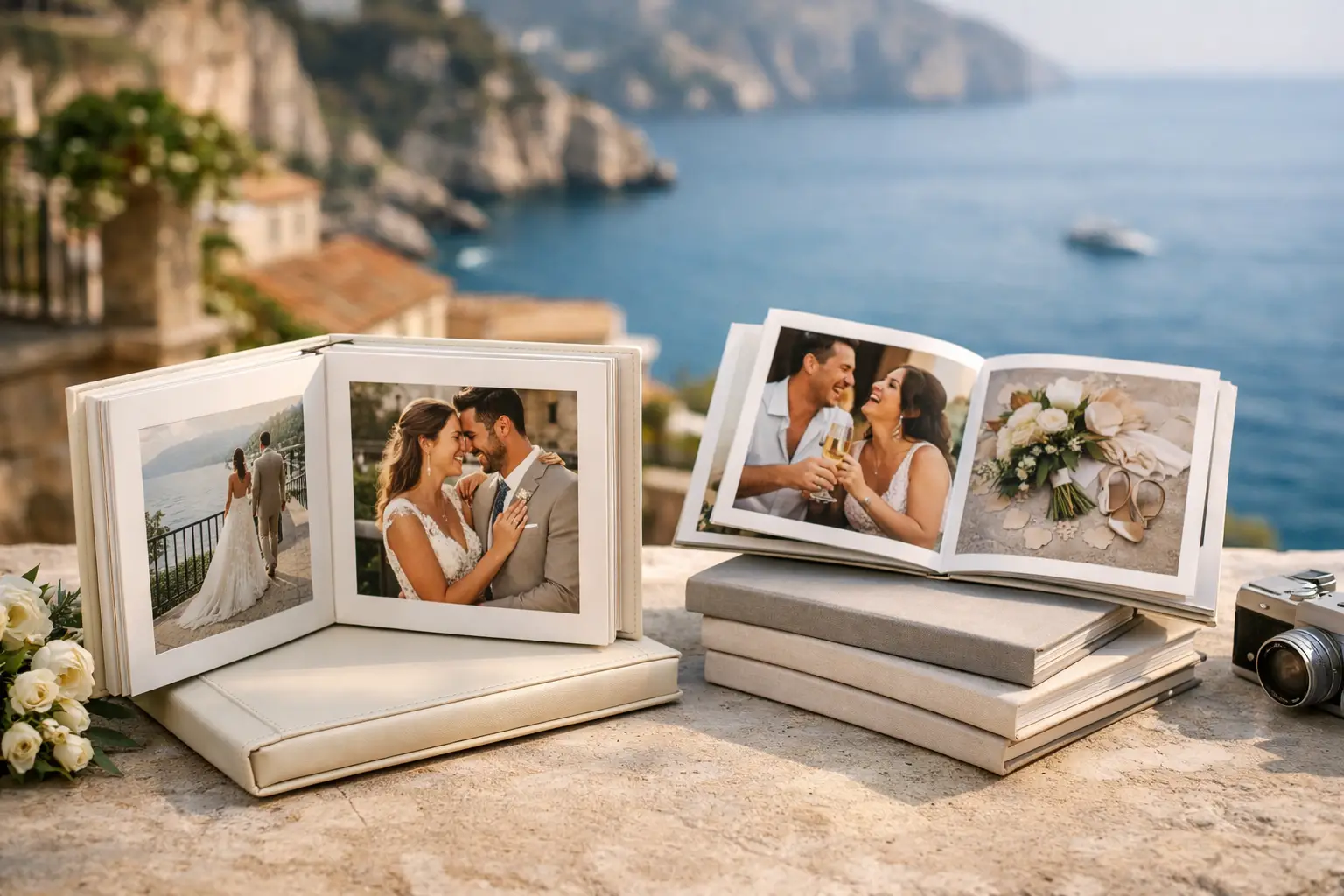
A photo book is generally a printed publication. Its pages are bound together much like a high-quality book, often with photographs printed directly onto flexible paper pages. It can be beautifully designed, personal, and easy to reproduce. For certain occasions, it is exactly the right choice.

A wedding album is a handcrafted object designed as a long-term heirloom. Fine-art albums are typically made with thick, rigid pages, carefully mounted prints, archival materials, and a cover selected to complement the character of the wedding. The pages open flat, allowing a photograph to extend across a full spread without losing the center of the image in a fold.

That distinction matters when a photograph carries scale and atmosphere. A wide view of the Tyrrhenian Sea, architectural lines in an Amalfi cloister, or a quiet embrace framed by the stone streets of Castellabate has room to breathe on an uninterrupted album spread. An album gives the image physical presence, not simply a place in sequence.

Why Construction Changes the Experience

A wedding album is made to be handled repeatedly. Its pages have weight. The cover has texture. Opening it becomes a ritual, whether you are looking through it together on an anniversary or sharing it with family years later.

The best albums are also designed for durability. Archival papers, protective finishes, and substantial binding help preserve the work through years of use. This is particularly meaningful for destination weddings, where the photographs often contain details that become more precious with time: a parent’s expression during the ceremony, the movement of a veil in coastal wind, handwritten place cards, or the changing colors at dinner as daylight leaves the sea.

A photo book is lighter and more casual by nature. Its pages can be excellent, but they are usually thinner and more vulnerable to wear. It may be perfect for a honeymoon volume, an engagement session, or copies for close relatives. It is less often the piece couples reach for when they want one definitive record of the wedding.

The Difference Is Also in the Storytelling

A wedding album should not feel like a gallery of every favorite image. It should read with rhythm.

Thoughtful album design considers the pace of the day: anticipation while getting ready, the intimacy of a first look, the ceremony’s stillness, the release of celebration, and the quieter images that often follow once guests have left the dance floor. A strong opening spread may establish the setting. A sequence of smaller frames can bring you close to hands, fabric, glances, and gestures. Then a full-page portrait can create a pause.

This is where an experienced photographer’s editing matters. The goal is not to include the greatest possible number of photographs. It is to make each selected image more resonant because of what comes before and after it. Editorial portraits sit naturally beside documentary moments, creating a story with both polish and soul.

A photo book can also be designed with care, but its format often encourages more pages and more images. That can be appealing if completeness is your priority. If emotional impact and a considered visual narrative matter most, fewer images on substantial pages usually create the stronger experience.

A curated edit feels more personal, not less

Some couples initially worry that an album with a selective edit will leave out too much. In practice, restraint often makes the album feel more intimate. Not every image needs to be printed at a large scale for the story to feel complete.

The digital gallery can preserve the wider record of the day. The album can hold the essential version: the photographs that return you to how the day felt. It is the difference between saving every line of a conversation and remembering the words that stayed with you.

When a Photo Book Is the Better Choice

There is no need to treat photo books as a lesser option. They are useful, versatile, and often meaningful in their own right.

A photo book may be the right fit if you would like several copies for parents, want a companion volume from a pre-wedding session in Sorrento or Capri, or prefer a more informal book to leave on a coffee table. It can also work well for a collection centered on one part of the celebration, such as a welcome dinner, an engagement, or a smaller elopement.

Its flexibility is a strength. Because photo books are usually easier to reproduce, they allow you to share photographs generously without turning every copy into a major production. They can be warm, polished keepsakes.

The question is simply whether you are choosing a book for sharing or an album for preserving a singular family history. Many couples find there is room for both: one heirloom wedding album for themselves and photo books for the people who helped shape the day.

Choosing an Album That Belongs to Your Wedding

For a destination celebration in Southern Italy, the most compelling album choices tend to be quietly considered rather than overly decorative. The cover should feel timeless in your home and sympathetic to the visual language of the photographs.

Linen can bring a soft, understated finish. Leather has depth and tactile character. A clean image cover may suit a more editorial story, while debossed names or a wedding date can offer a discreet personal detail. The right choice depends on the atmosphere of the celebration and the way you live with design at home.

Page count deserves equal attention. A multi-day wedding with a welcome gathering, ceremony, portraits, and an extended reception may need more space than an intimate cliffside ceremony. Yet a larger album is not automatically a better one. Each spread should earn its place. Repeated portraits, similar landscape views, and near-identical dance-floor frames can dilute the emotional arc.

At Gennaro Piscopo Photography, fine-art albums are handcrafted in Italy, with the same care given to the visual flow of the wedding photographs themselves. The process is collaborative, but it benefits from guidance. Couples know the memories; the photographer understands how images speak to one another on the page.

Questions to Ask Before You Decide

Before ordering, consider how you hope to use the finished piece. Will it be displayed and revisited for decades? Do you want an object that feels substantial in the hand? Are you drawn to a concise, cinematic edit, or would you rather include a broader collection of images? Do you need copies for family members?

Also ask to see a physical sample where possible. Screens cannot show the texture of a cover, the density of a printed black-and-white image, or the way a panoramic coastal portrait appears across a lay-flat spread. These details are not superficial. They shape the emotional experience of revisiting the work.

A final practical point: begin the album conversation while the photographs are still fresh. You do not need to make every selection immediately, but a clear plan makes it easier to turn a finished gallery into something you will actually hold and share.

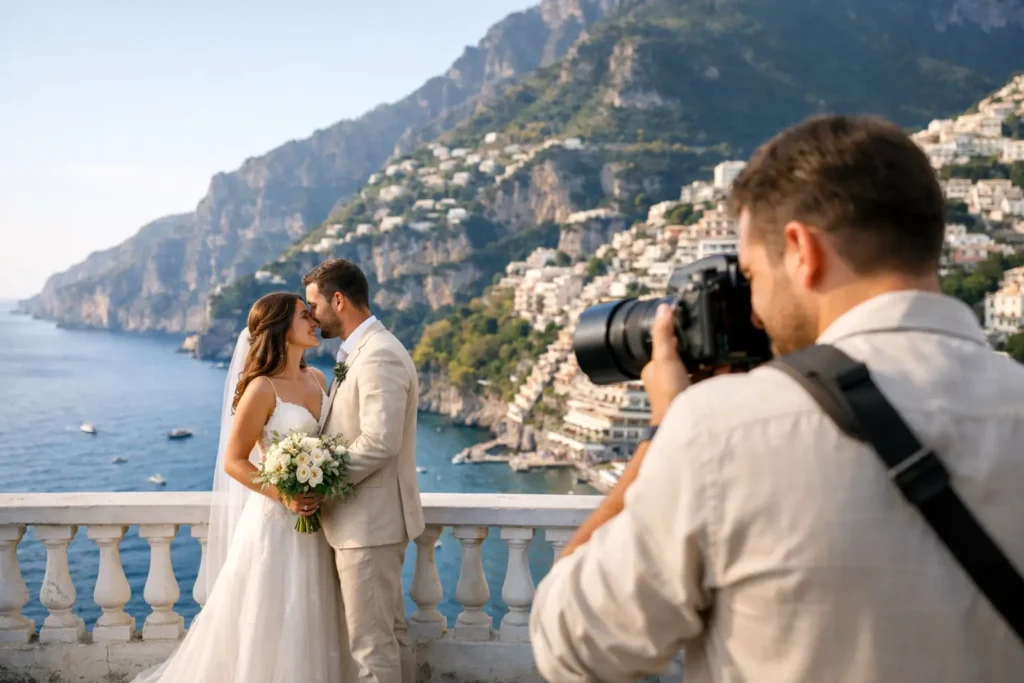
View a complete wedding story in the portfolio to see how photographs unfold across an entire day, then use the enquiry page to discuss an album created around your celebration. Years from now, the value will not be in how many images you kept. It will be in how vividly a few pages bring you back.
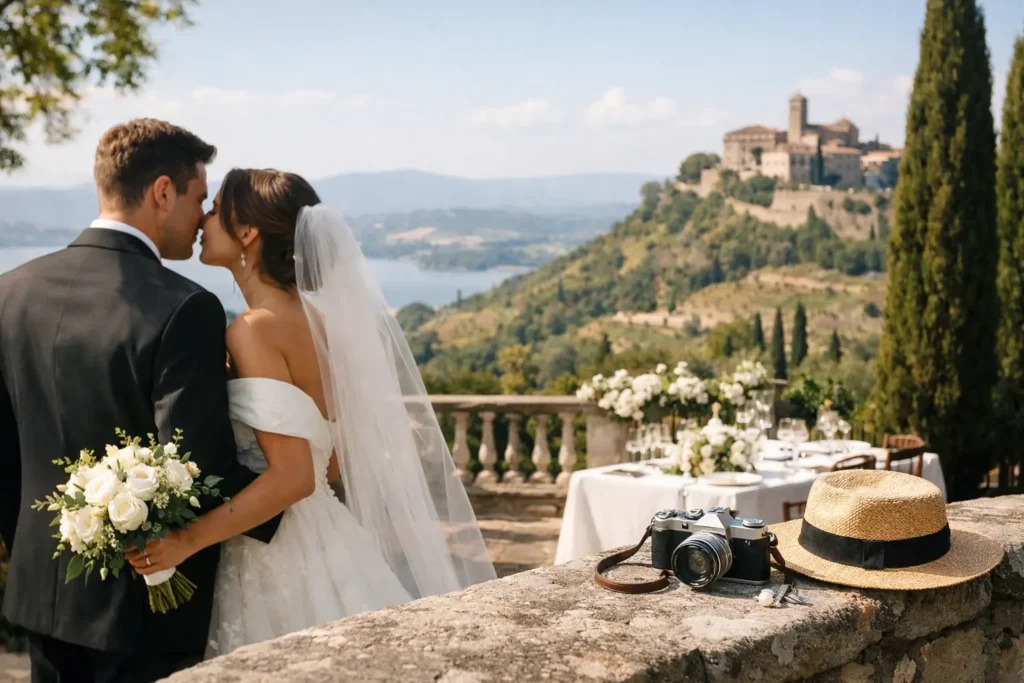
The wedding album versus photo book decision usually arrives after the celebrations have ended, when the pace slows and the photographs begin to reveal their deeper value. On the Amalfi Coast, a wedding day may move from soft morning light over Positano to candlelit dinner beneath a Ravello terrace. Those images deserve more than a place to live. They deserve a form that reflects how you want to remember them.

Both options can hold beautiful photographs. The real difference is not whether one is “good” and the other is not. It is in the materials, construction, editing, and role each piece plays in your life after the wedding.

Wedding Album Versus Photo Book: The Essential Difference

A photo book is generally a printed publication. Its pages are bound together much like a high-quality book, often with photographs printed directly onto flexible paper pages. It can be beautifully designed, personal, and easy to reproduce. For certain occasions, it is exactly the right choice.

A wedding album is a handcrafted object designed as a long-term heirloom. Fine-art albums are typically made with thick, rigid pages, carefully mounted prints, archival materials, and a cover selected to complement the character of the wedding. The pages open flat, allowing a photograph to extend across a full spread without losing the center of the image in a fold.

That distinction matters when a photograph carries scale and atmosphere. A wide view of the Tyrrhenian Sea, architectural lines in an Amalfi cloister, or a quiet embrace framed by the stone streets of Castellabate has room to breathe on an uninterrupted album spread. An album gives the image physical presence, not simply a place in sequence.

Why Construction Changes the Experience

A wedding album is made to be handled repeatedly. Its pages have weight. The cover has texture. Opening it becomes a ritual, whether you are looking through it together on an anniversary or sharing it with family years later.

The best albums are also designed for durability. Archival papers, protective finishes, and substantial binding help preserve the work through years of use. This is particularly meaningful for destination weddings, where the photographs often contain details that become more precious with time: a parent’s expression during the ceremony, the movement of a veil in coastal wind, handwritten place cards, or the changing colors at dinner as daylight leaves the sea.

A photo book is lighter and more casual by nature. Its pages can be excellent, but they are usually thinner and more vulnerable to wear. It may be perfect for a honeymoon volume, an engagement session, or copies for close relatives. It is less often the piece couples reach for when they want one definitive record of the wedding.

The Difference Is Also in the Storytelling

A wedding album should not feel like a gallery of every favorite image. It should read with rhythm.

Thoughtful album design considers the pace of the day: anticipation while getting ready, the intimacy of a first look, the ceremony’s stillness, the release of celebration, and the quieter images that often follow once guests have left the dance floor. A strong opening spread may establish the setting. A sequence of smaller frames can bring you close to hands, fabric, glances, and gestures. Then a full-page portrait can create a pause.

This is where an experienced photographer’s editing matters. The goal is not to include the greatest possible number of photographs. It is to make each selected image more resonant because of what comes before and after it. Editorial portraits sit naturally beside documentary moments, creating a story with both polish and soul.

A photo book can also be designed with care, but its format often encourages more pages and more images. That can be appealing if completeness is your priority. If emotional impact and a considered visual narrative matter most, fewer images on substantial pages usually create the stronger experience.

A curated edit feels more personal, not less

Some couples initially worry that an album with a selective edit will leave out too much. In practice, restraint often makes the album feel more intimate. Not every image needs to be printed at a large scale for the story to feel complete.

The digital gallery can preserve the wider record of the day. The album can hold the essential version: the photographs that return you to how the day felt. It is the difference between saving every line of a conversation and remembering the words that stayed with you.

When a Photo Book Is the Better Choice

There is no need to treat photo books as a lesser option. They are useful, versatile, and often meaningful in their own right.

A photo book may be the right fit if you would like several copies for parents, want a companion volume from a pre-wedding session in Sorrento or Capri, or prefer a more informal book to leave on a coffee table. It can also work well for a collection centered on one part of the celebration, such as a welcome dinner, an engagement, or a smaller elopement.

Its flexibility is a strength. Because photo books are usually easier to reproduce, they allow you to share photographs generously without turning every copy into a major production. They can be warm, polished keepsakes.

The question is simply whether you are choosing a book for sharing or an album for preserving a singular family history. Many couples find there is room for both: one heirloom wedding album for themselves and photo books for the people who helped shape the day.

Choosing an Album That Belongs to Your Wedding

For a destination celebration in Southern Italy, the most compelling album choices tend to be quietly considered rather than overly decorative. The cover should feel timeless in your home and sympathetic to the visual language of the photographs.

Linen can bring a soft, understated finish. Leather has depth and tactile character. A clean image cover may suit a more editorial story, while debossed names or a wedding date can offer a discreet personal detail. The right choice depends on the atmosphere of the celebration and the way you live with design at home.

Page count deserves equal attention. A multi-day wedding with a welcome gathering, ceremony, portraits, and an extended reception may need more space than an intimate cliffside ceremony. Yet a larger album is not automatically a better one. Each spread should earn its place. Repeated portraits, similar landscape views, and near-identical dance-floor frames can dilute the emotional arc.

At Gennaro Piscopo Photography, fine-art albums are handcrafted in Italy, with the same care given to the visual flow of the wedding photographs themselves. The process is collaborative, but it benefits from guidance. Couples know the memories; the photographer understands how images speak to one another on the page.

Questions to Ask Before You Decide

Before ordering, consider how you hope to use the finished piece. Will it be displayed and revisited for decades? Do you want an object that feels substantial in the hand? Are you drawn to a concise, cinematic edit, or would you rather include a broader collection of images? Do you need copies for family members?

Also ask to see a physical sample where possible. Screens cannot show the texture of a cover, the density of a printed black-and-white image, or the way a panoramic coastal portrait appears across a lay-flat spread. These details are not superficial. They shape the emotional experience of revisiting the work.

A final practical point: begin the album conversation while the photographs are still fresh. You do not need to make every selection immediately, but a clear plan makes it easier to turn a finished gallery into something you will actually hold and share.

View a complete wedding story in the portfolio to see how photographs unfold across an entire day, then use the enquiry page to discuss an album created around your celebration. Years from now, the value will not be in how many images you kept. It will be in how vividly a few pages bring you back.
Scroll to Top