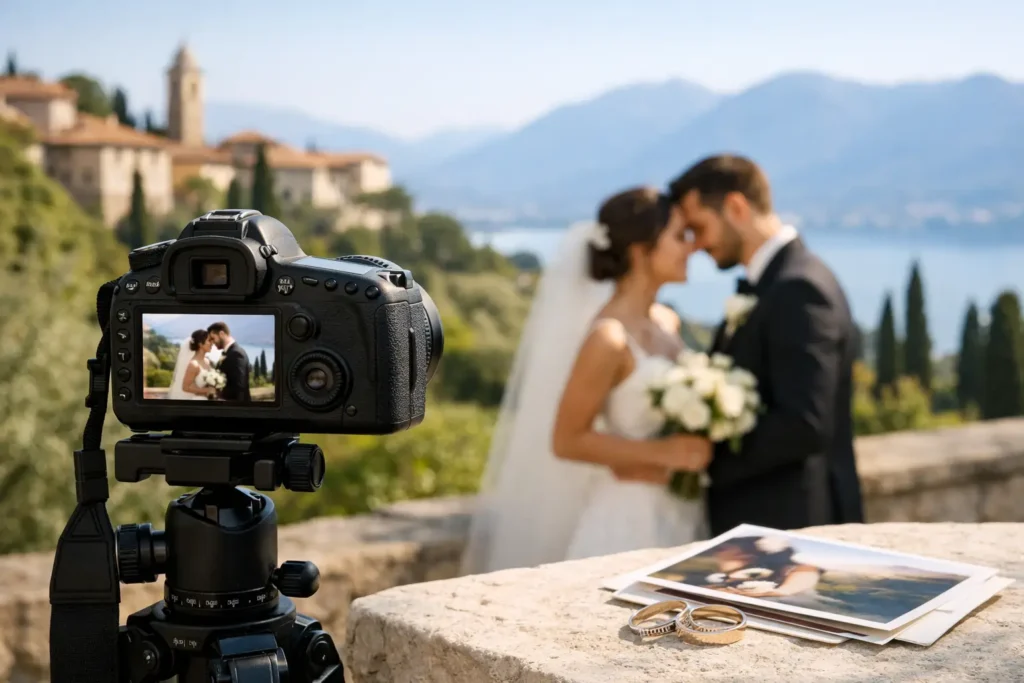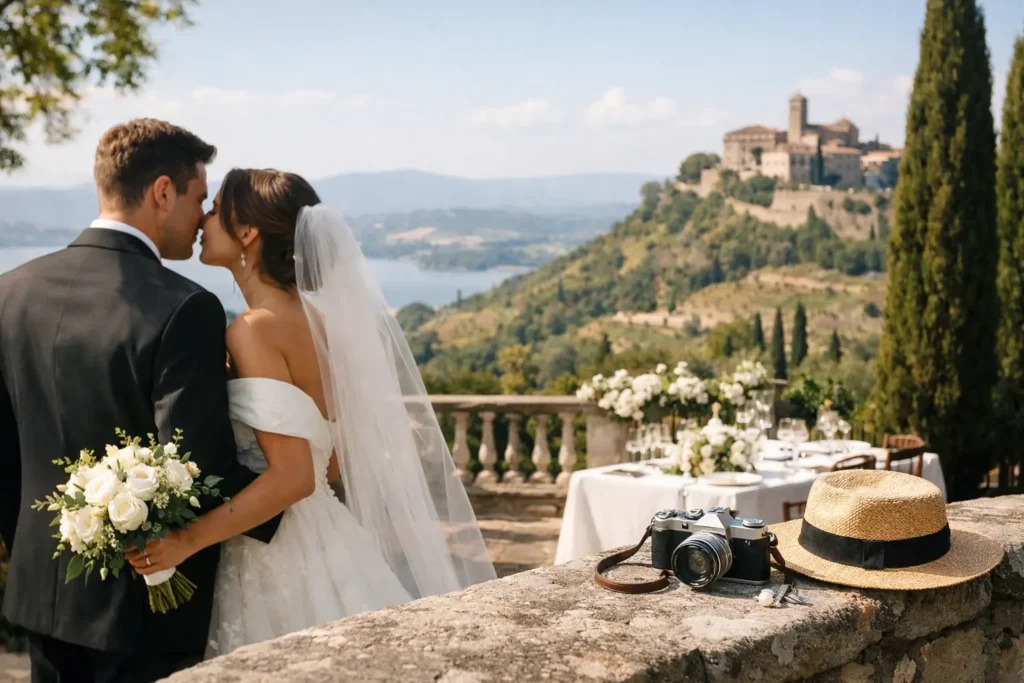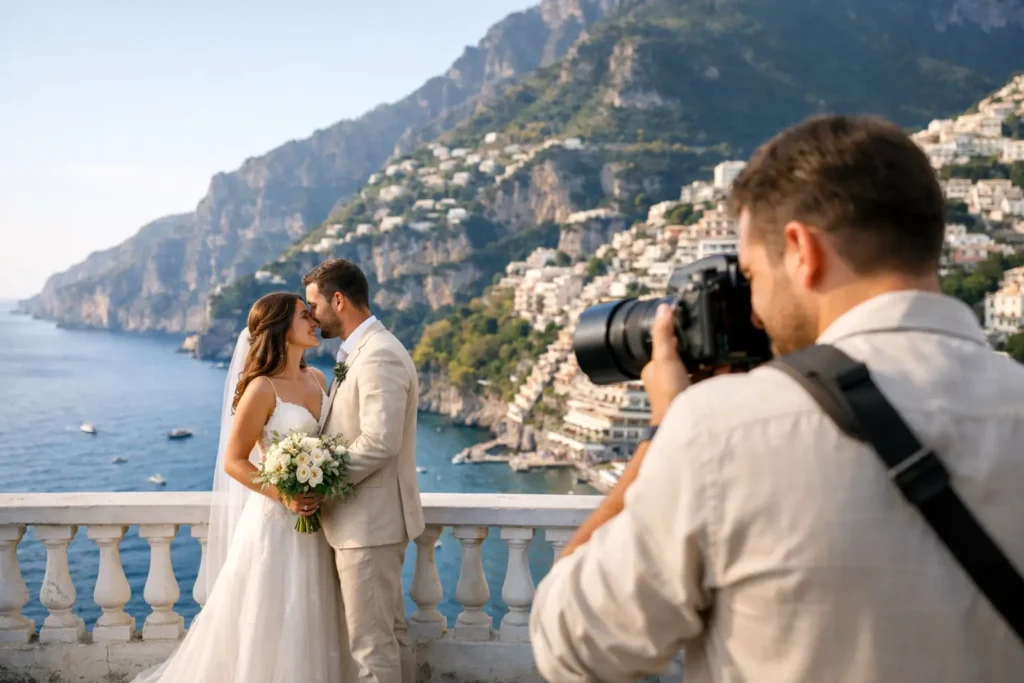
The first real decision is not the flowers, the menu, or even the dress. If you are wondering how to plan a wedding in Italy, the place itself comes first – because in Italy, the setting shapes everything. A cliffside ceremony on the Amalfi Coast asks for a different rhythm than a candlelit villa evening in Tuscany or a refined lakeside celebration on Lake Como. The landscape is never just a backdrop. It becomes part of the story.
For couples planning from abroad, that can feel both exhilarating and slightly overwhelming. Italy offers extraordinary beauty, but the best celebrations here are not built by collecting pretty details. They are shaped with intention, guided by local knowledge, and designed around how you want the day to feel when you are living it, not just when you are looking at it later.
How to plan a wedding in Italy starts with the feeling
Before you compare venues or dates, define the atmosphere you want. Some couples imagine a weekend that feels cinematic and grand, with formal dinners, black tie style, and editorial elegance. Others want warmth, intimacy, and the ease of long tables under olive trees. Both can be luxurious. Both can be unforgettable. The difference is in the tone.
That emotional clarity will guide every later choice. It affects the region, the guest experience, the timeline, the music, and even the photography style that suits the celebration best. Italy is full of remarkable venues, but not every remarkable venue is right for your wedding.
Lake Como, for example, suits couples drawn to polished refinement, classic architecture, and a fashion-forward atmosphere. Tuscany often appeals to those who want romance with a softer, more relaxed cadence. The Amalfi Coast offers drama, texture, and sea-lit beauty, but it also comes with logistics that require more thoughtful planning. Capri feels iconic and elegant. Sicily can feel richly layered and soulful.
The mistake is choosing only with your eyes. Choose with your instincts too.
Build your wedding around the right season
Italy changes character dramatically throughout the year. The same venue can feel airy and luminous in late spring, golden and celebratory in summer, or intimate and atmospheric in early fall. Timing matters not only for weather, but for light, guest comfort, travel ease, and the overall pace of the day.
May, June, September, and early October are often especially appealing for destination weddings. The temperatures are generally kinder, the light is beautiful, and the day can unfold without the intensity that midsummer sometimes brings. July and August can be stunning, especially by the water, but in some regions the heat is a serious factor. If your vision involves tailored attire, outdoor ceremonies, and a long dinner in full sun, season should be considered with honesty.
It also helps to think photographically. Soft spring light and warm autumn evenings create a very different visual atmosphere than the bright intensity of August afternoons. For couples who care deeply about imagery, this is not a small detail. It shapes the mood of the entire gallery.
Choose a venue that works beautifully, not just looks beautiful
A villa with a breathtaking terrace may be perfect for a welcome dinner but less ideal for a full wedding day if the indoor backup is weak or the timeline becomes too fragmented. A historic property might photograph beautifully, yet have strict sound rules or difficult guest access. This is where planning in Italy becomes more nuanced than simply selecting the most impressive view.
The strongest venues offer both beauty and flow. Ask how the day moves through the spaces. Where do guests arrive? Where does the ceremony feel most natural? Is there enough privacy? Does the cocktail hour transition smoothly into dinner? If the weather changes, does the atmosphere still feel elegant?
This is especially important for destination weddings, where your guests are not just attending an event. They are traveling for an experience. A venue should support that experience with ease.
Work with local experts who understand the destination
One of the clearest answers to how to plan a wedding in Italy is this: do not try to do it all from a distance without trusted local guidance. Italy rewards expertise. It also occasionally tests anyone who assumes things will run exactly as they might elsewhere.
A strong local planner is often the cornerstone. They understand regional logistics, vendor standards, language, transportation realities, and the subtle differences between what appears possible online and what works beautifully in practice. That support is not just administrative. It protects the mood of the wedding.
The same is true of your creative team. Hair and makeup, floral design, music, and photography all interact with the destination itself. A photographer who understands how Italian light moves through a villa at sunset, how a seaside breeze changes a veil, or how to build portraits around architecture without losing intimacy brings more than technical skill. They bring fluency in the setting.
That is often where a celebration begins to feel elevated rather than simply expensive.
Understand the legal route, but do not let it dominate the vision
Many international couples initially focus on whether they should have a legal or symbolic ceremony in Italy. The practical answer is that it depends on your nationality, timeline, and appetite for paperwork. In some cases, handling the legal marriage at home and treating the Italian ceremony as symbolic is the simpler path.
What matters most is knowing the requirements early rather than late. Documentation, translations, appointments, and municipal processes vary. If a legal ceremony in Italy is deeply important to you, begin that conversation at the start of planning, not after the venue is booked and invitations are sent.
Still, do not let bureaucracy flatten the romance of the occasion. Guests will remember the emotion of your vows, the light, the music, and the sense of place far more than the legal framework behind it.
Plan the guest experience as carefully as the aesthetics
The most memorable destination weddings in Italy feel generous from beginning to end. Not over-produced, but thoughtfully hosted. That may mean arranging transportation where roads are narrow and parking is limited. It may mean recommending hotels with different levels of style and convenience, or building in breathing room so guests can enjoy the destination rather than rush through it.
A wedding here often works best as more than a single event. A relaxed welcome evening, a wedding day with a graceful pace, and perhaps a brunch or farewell gathering can create a fuller experience without making the schedule feel crowded. Italy lends itself to this beautifully because hospitality is part of the atmosphere.
For you as a couple, this also changes how the story is remembered. The wedding becomes a collection of meaningful chapters rather than one compressed moment.
Let the design belong to Italy
One of the easiest ways to make a destination wedding feel less refined is to over-style it. Italy already gives you texture, architecture, history, and natural drama. The most elegant design choices tend to work with that character, not compete with it.
That might mean a palette that echoes stone, sea, garden greens, soft neutrals, or deep romantic tones instead of forcing a trend that feels disconnected from the setting. It might mean tables that are beautifully layered but never crowded, flowers that feel sculptural and seasonal, and fashion choices that feel timeless on location.
Luxury does not always read as more. Often it reads as confidence, restraint, and impeccable detail.
Photography should shape the timeline, not follow it
This is the part many couples only understand after the fact. Your timeline is not just a schedule. It is the structure that determines how the day feels, and how it is seen.
If you want imagery that feels cinematic, emotional, and editorial without becoming stiff, the day needs space. Space to get ready without rush. Space for portraits in beautiful light. Space to be present with guests rather than disappear into logistics. When the schedule is too tight, even the most beautiful wedding can feel hurried.
A thoughtful photographer will help you design moments that feel natural and still look extraordinary. That may include choosing a first look or choosing not to. It may mean planning ten quiet minutes after the ceremony, or stepping away at sunset when the light becomes especially flattering. These are small decisions that create a deeper visual narrative.
For couples who care about images as legacy, not just documentation, this matters enormously. Gennaro Piscopo Photography approaches destination weddings in Italy with exactly that balance of emotional intuition and editorial discipline – creating imagery that feels artful, honest, and deeply lived.
How to plan a wedding in Italy without losing the romance
The practical side of planning is real. Contracts, travel, room blocks, weather plans, and transportation all deserve serious attention. But the weddings that stay with people are the ones that protect the emotional center of the day.
So as you plan, keep returning to the simplest question: what do you want this to feel like when you are inside it? Not just how it should appear on a mood board, but how it should sound at dinner, how it should move from afternoon to evening, how you want your guests to remember you, and how you want to remember each other.
Italy gives you the rare chance to create something visually extraordinary without sacrificing soul. When the planning is thoughtful, the experience becomes more than beautiful. It becomes deeply personal, and that is where timeless romance begins.